Tuesday, October 20, 2026
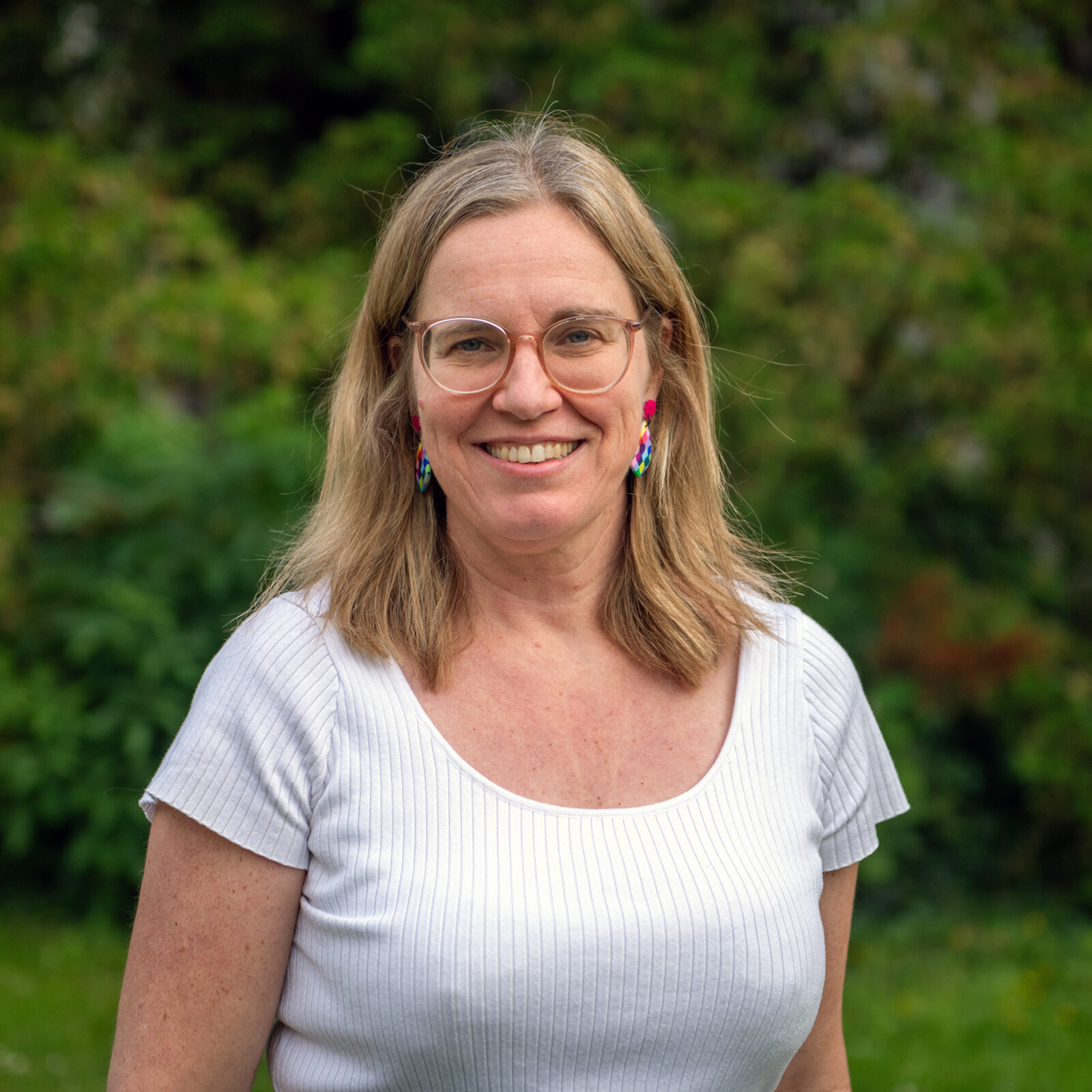
Professor Aliza Werner-Seidler
Program Lead, Adolescent Mental Health — Black Dog Institute
Digital Mental Health Prevention in Schools: What Doesn't Work and What Might Work
Professor Aliza Werner-Seidler is a Clinical Psychologist and Program Lead in Adolescent Mental Health at Black Dog Institute. Her research focuses on one of the most pressing public health questions: why rates of mental ill-health in adolescents have risen so rapidly, and what can be done to change that trajectory.
Her work identifies risk factors for adolescent mental health and who is most at risk and why — insights she uses to develop, evaluate, and help deliver evidence-based prevention and treatment programs in schools and communities. She completed a PhD examining cognitive processes in depression, followed by postdoctoral training at the University of Cambridge, where she recognised that treatment alone could not meet demand — prompting her to broaden her work into prevention and early intervention. She has worked in adolescent mental health at Black Dog Institute for over a decade.
Wednesday, October 21, 2026
Trailblazer Plenary

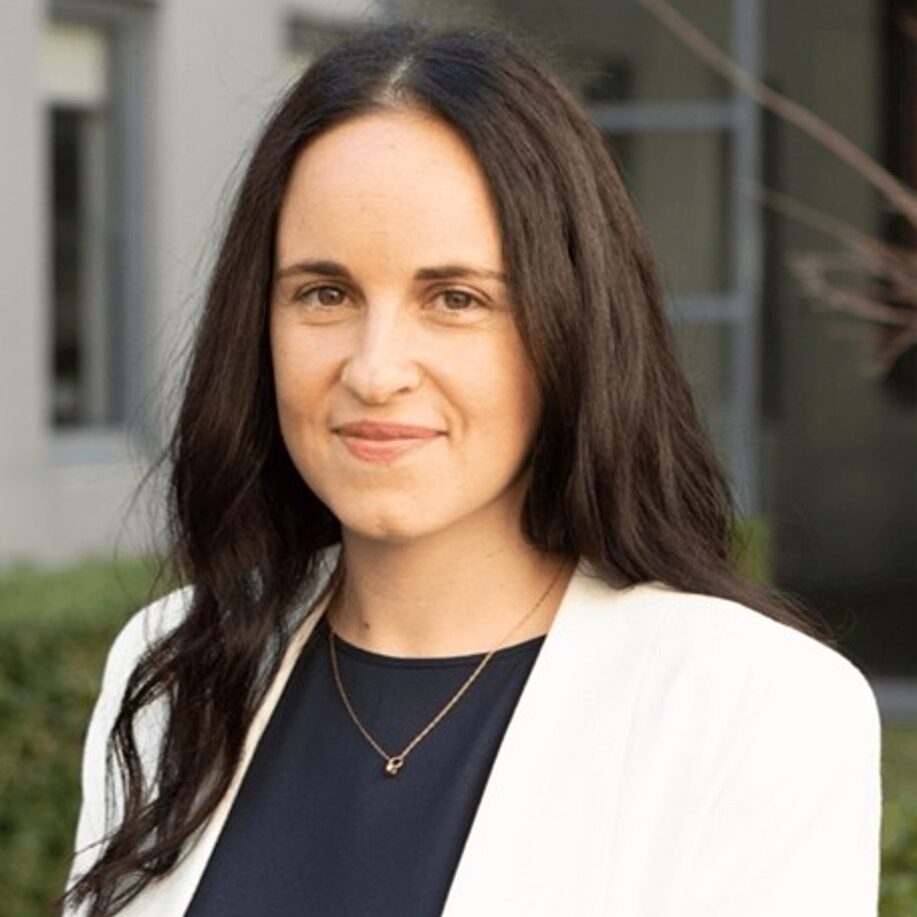
Professor Giovanni Ramos
University of California, Berkeley
Culturally Adapting Digital Interventions: Effective or Necessary?
Gio Ramos is an Assistant Professor of Clinical Science at the University of California, Berkeley, where he directs the Mental Health Equity in Access and Treatment (mHEAT) Lab. The goal of his research is to advance mental health equity for marginalized populations by enhancing the contextual and cultural fit of digital mental health interventions through data-driven adaptations and implementation strategies. Dr. Ramos earned his PhD in clinical psychology from the University of California, Los Angeles, and completed postdoctoral training at the University of California, Irvine, and the University of California, San Francisco. His work has been supported by the National Institutes of Health (NIH), the Ford Foundation, the American Psychological Association and Foundation, and the UC’s Office of the President.

Professor Barbara Barbosa Neves
University of Sydney
Excluded by Design: Challenging Ageism in Digital and AI-Based Interventions for Later Life
Professor Barbara Barbosa Neves is an award-winning sociologist of ageing and technology, internationally recognised for her work on social health and digital inequalities in later life. Her research bridges gerontology, sociology, and computer science to understand not just how technologies work, but for whom, and with what consequences.
Before moving to Australia, she was Associate Director of the Technologies for Aging Gracefully Lab in the Department of Computer Science at the University of Toronto. She is now Professor of Sociology, Australian Research Council Future Fellow, and Senior Horizon Fellow in AI and Healthy Ageing at the University of Sydney, where she leads the AI Social Science team at the Sydney Centre for Healthy Societies. She is also lead investigator of a national government evaluation of an aged care program addressing loneliness and social isolation, and an Adjunct Professor of Technology & Society at Monash University.
Her co-designed, mixed-methods research examines how emerging technologies — AI, robotics, virtual reality — can support rather than exclude older people, particularly those living with chronic illness, frailty, or complex care needs. This work has informed technology design and policy across Canada, Australia, and Europe, and has been cited by the UN, OECD, WHO, and EU. She has secured more than $7 million in competitive funding and has received 28 awards, including Fellow of the British Royal Society of Arts (2022) and one of the ABC Top 5 Scholars in Australia (2019). She has authored over 100 publications and made more than 200 media appearances, including ABC, CBC, SBS, The Guardian, The Conversation, and the SBS documentary What Does Australia Really Think About Old People?

Professor Ray Mahoney
Public Health & Indigenous-Led Research
Co-designing a Best Practice Framework for Digital Health with Aboriginal and Torres Strait Islander People
Ray Mahoney is a Bidjara man with family ties to Central West Queensland. Ray has worked extensively to codesign, develop, implement and evaluate best practice public health and prevention programs to close the gap in health and wellbeing between Indigenous and non-Indigenous people. Ray currently leads a range of research projects with Indigenous community-controlled organisation partners. Current science and research projects include; Clean energy transition for remote communities; Housing and impacts of climate change; guidelines for culturally safe eHealth with Aboriginal and Torres Strait Islander People & AI in Indigenous health care; Supporting primordial prevention, screening and treatment for ARF and RHD initiatives that are led by Aboriginal and Torres Strait Islander communities.
Thursday, October 22, 2026
Professor Inez Myin-Germeys
Center for Contextual Psychiatry, KU Leuven
Prof. Inez Myin-Germeys is Professor of Contextual Psychiatry and founder and Director of the Center for Contextual Psychiatry at KU Leuven, Belgium. An internationally recognized expert in Experience Sampling Methodology (ESM), she studies how daily-life experiences and environmental factors shape mental health and psychopathology. Her pioneering work has advanced the use of digital technologies to study and improve mental health in everyday life. Currently, she leads a major research programme aimed at understanding negative symptoms in psychosis and developing innovative digital interventions to improve outcomes and quality of life for young people experiencing psychosis. In 2026, she was awarded an honorary doctorate from the University of Basel in recognition of her outstanding contributions to mental health research and digital psychiatry.